Kings National Projects (KNP)
King of Kings Ministry plans on how to provide shelters for all homeless people living in United States by 2029.
To house every individual experiencing homelessness in the United States by 2029, a highly aggressive strategy must combine hyper-low-cost construction innovations, massive donations, local zoning overhauls, and scaled federal funding.
Because traditional public housing construction can cost up to hundreds of thousands of dollars per unit, achieving this target requires a radical departure from conventional building methods.
The roadmap to building and deploying low-cost housing across the nation by 2029 relies on three core pillars.
1. Disruptive Construction & Micro-Housing.
To meet a 2029 deadline, units must be cheap, fast to build, and scalable.
- ☆
- Tiny Homes & Managed Villages: Grassroots initiatives have proven that weatherized, lockable tiny wooden shelters can be built for $100 to $150 using salvaged materials, plywood, and basic insulation.
- Scaling these into organized, managed communities with shared hygiene infrastructure is the fastest bridge to immediate shelter.
- Prefabricated & Modular Manufacturing: Mass-producing modular housing components in factories slashes labor costs and construction timelines. Standardizing small-footprint designs allows single-family homes to be brought to market for far less than current median prices.
- Commercial-to-Residential Conversions: Repurposing empty office buildings, malls, and underutilized commercial spaces into zero-emissions housing cuts out the costly land-acquisition and foundation-laying phases of development.
- ☆
- 2. Eliminating Regulatory Barriers (Zoning & Land Use)The greatest bottleneck to affordable housing is not material cost, but local bureaucracy and land availability.
- ☆
- Zoning Reform & Density Bonuses: Cities must relax restrictive zoning laws to permit multifamily units, Accessory Dwelling Units (ADUs), and tiny home villages. Offering density bonuses allows developers to build more units if a portion is dedicated to low-income individuals.
- Streamlined Permitting: Creating expedited approval tracks specifically for deeply affordable housing prevents projects from getting bogged down in years of costly litigation and local red tape.
- Utilizing Federal and Municipal Land: Public entities can bypass fair-market land costs by converting surplus government properties and establishing municipal land banks to hold property exclusively for affordable housing development.
3. Scaling Federal Support and Program FundingInfrastructure is useless without the funding to operate it and the services to keep people stable.
- ☆
- Expanding "Housing First" Initiatives: The U.S. Interagency Council on Homelessness (USICH) champions the Housing First model, which prioritizes getting individuals into stable housing before addressing secondary issues like addiction or unemployment.
- This model yields a long-term retention rate of over 95%.
- Expanding Mandatory Funding: Fully funding mechanisms like the National Housing Trust Fund and expanding Housing Choice (Section 8) Vouchers guarantees that deeply low-income individuals can afford ongoing rent, protecting them from returning to homelessness.
- Coordinated Community Systems: Using unified intake software across cities ensures that new units are immediately matched to the individuals in the highest state of crisis, maximizing the efficiency of the new inventory.
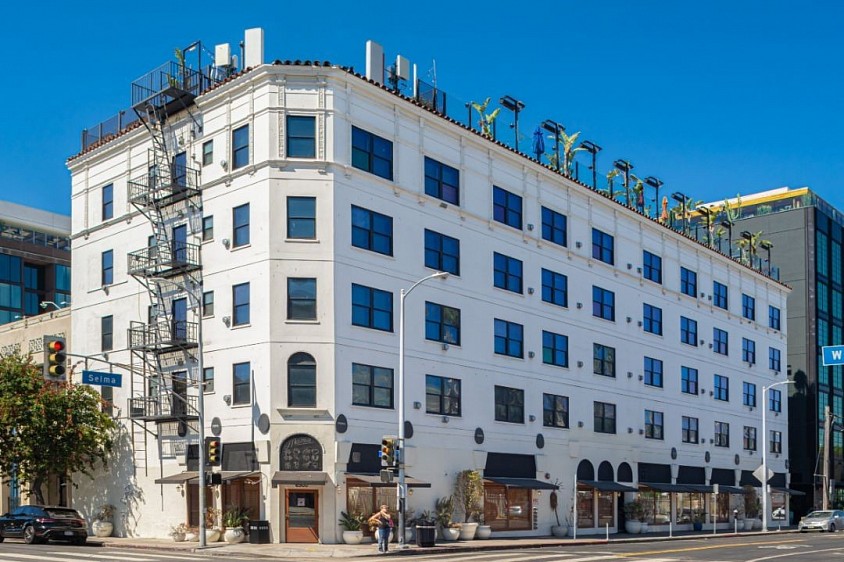
Hotels and motels renovation concepts
King of Kings Ministry focuses on Renovating old hotels and motels as immediate safety rules.
Renovating old hotels and motels to house the entire United States homeless population by 2028 requires a massive, coordinated strategy combining adaptive reuse architecture, braided federal and private funding, and rapid zoning conversions.
Converting existing structures is significantly faster and more cost-effective than building new developments from scratch. Programs like California's Project Homekey have already proven this model can work at a state level.1. Funding and Acquisition
- Braided Financing: Combine federal grants (such as HUD, ARPA, or FEMA) with private equity, philanthropic donations, and Low-Income Housing Tax Credits (LIHTC).
- Rapid Acquisition: Establish public-private land trusts to purchase distressed, underutilized, or abandoned motels quickly before private developers buy them.
- Eminent Domain: Use municipal powers to acquire long-abandoned or tax-delinquent commercial properties if owners refuse to negotiate.
2. Zoning and Regulatory Relief
- Emergency Zoning Variances: Pass local and state legislation to bypass lengthy zoning reviews, automatically reclassifying commercial properties into residential or permanent supportive housing.
- Building Code Flexibility: Adapt building codes to allow for alternative kitchen and bathroom configurations, ensuring safety without requiring a complete structural overhaul.
- Expedited Permitting: Create dedicated "fast-track" municipal lanes to approve hotel-to-housing conversion permits within weeks instead of years.
3. Architectural Conversion (Adaptive Reuse)
- Kitchenette Retrofitting: Install prefabricated, energy-efficient kitchenette units into existing hotel rooms to provide independent living capabilities.
- ADA Compliance: Modify a percentage of ground-floor rooms to meet Americans with Disabilities Act (ADA) standards for accessibility.
- Shared Community Spaces: Convert former hotel lobbies, conference rooms, and commercial kitchens into communal spaces, dining halls, and laundry facilities.
4. Integration of Supportive Services
- On-Site Case Management: Designate specific wings or former administrative offices for social workers, mental health professionals, and addiction specialists.
- Healthcare Clinics: Partner with local healthcare systems to operate small, on-site medical and triage clinics.
- Security and Property Management: Deploy 24/7 onsite security and professional property management to maintain safety and property longevity.
5. Aggressive Deployment Timeline (2026–2028)
- Phase 1 (Late 2026): Complete a national audit of viable properties and secure initial federal and state funding allocations.
- Phase 2 (2027): Acquire properties and enact emergency zoning changes concurrently while deploying construction crews for rolling renovations.
- Phase 3 (Mid-2028): Finalize construction, establish service provider networks, and transition individuals from shelters and encampments into permanent housing.
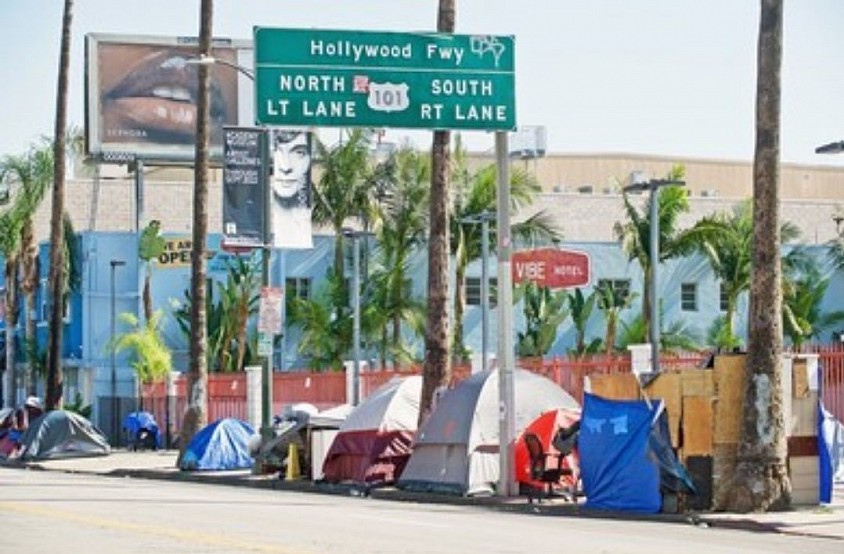
Los Angeles homeless Hollywood streets
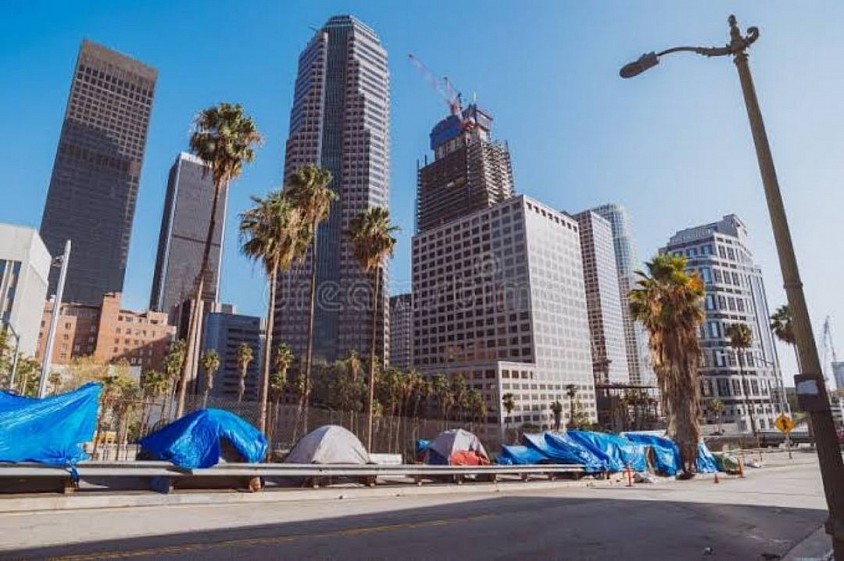
Homeless tents everywhere in the cities
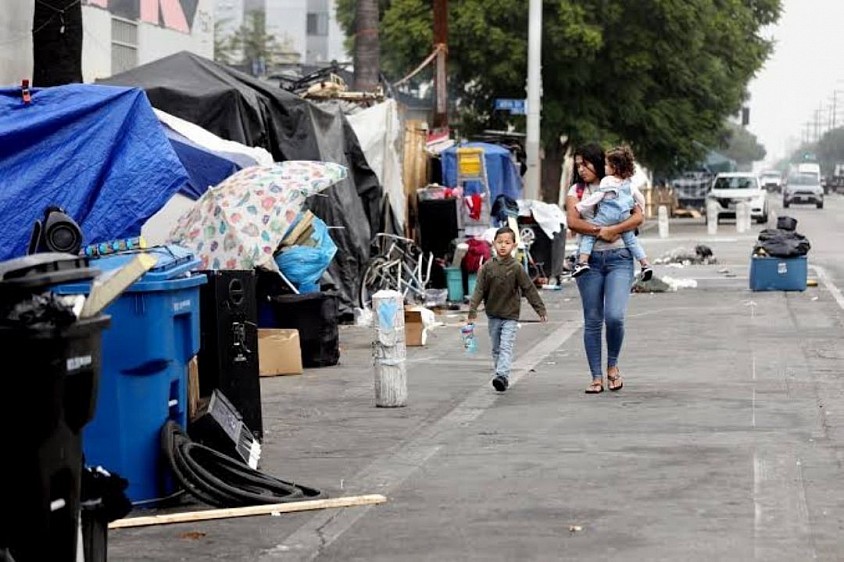
We have to keep our streets clean
King of Kings Ministry support the renovation of hotels and motels for the homeless people in United States.
The Ministry converting old hotels and motels into permanent supportive housing requires acquiring distressed properties, receiving funds from donors, securing government funding, updating zoning laws, and adding essential residential amenities.
Key Steps for Hotel and Motel Conversion
- Property Acquisition: Buy structurally sound motels, which typically cost between $100,000 and $175,000 per room, making it faster and cheaper than new construction.
- ☆
- Funding and Legislation: Utilize federal, state, and local grants where available. King of Kings Ministry programs modeled to meet American Rescue Plan Act fund to finance acquisition and rehab costs.
- Permitting and Zoning: Streamline local zoning changes, environmental reviews, and change-of-use permits to accelerate project timelines from years down to months.
- Renovation and Retrofitting: Gut rooms to add basic kitchenettes (induction cooktops, microwaves, and refrigerators), upgrade plumbing and electrical systems, and incorporate accessibility ramps or solar panels.
- Onsite Supportive Services: Partner with local nonprofits and health agencies to provide integrated clinical care, mental health counseling, and employment assistance directly onsite.
Agricultural projects
Agricultural projects in the United States offer transitional jobs, job training, and support services to help people experiencing homelessness transition to stable employment and housing.
King of Kings will support and expand Prominent Programs throughout the United States.
- Homeless Garden Project: Located in Santa Cruz County, California, this 3-acre organic farm provides paid transitional employment, horticulture training, floral design, and retail skills. Trainees also receive supportive social services and resume-building classes.
- ☆
- Agri-Therapy & Urban Farm Initiatives: Various non-profits across U.S. cities combine micro-farming, community-supported agriculture (CSA), and green spaces to build work habits, confidence, and food security for unhoused individuals.
- ☆☆
Program Benefits
- Transitional Employment: Paid, structured, and low-barrier work experience tailored to individuals rebuilding their lives.
- Skill Building: Hands-on learning in organic farming, soil science, harvesting, and value-added product creation.
- Support Services: Access to weekly meals, counseling, peer support, and resume or life-skills workshops.
Large scale agricultural projects
large scale farming activities plan for homeless people from 2027 to 2037.
A large-scale agricultural and rehabilitation framework can successfully integrate unhoused populations by transforming idle public lands into productive, therapeutic farming communities over a ten-year span.
Phase 1: Foundation and Infrastructure (2027–2029)
- Site Acquisition & Zoning: Secure large tracts of underutilized municipal or peri-urban land through long-term government leases.
- Basic Shelter & Facilities: Construct modular transitional housing, communal kitchens, and sanitation units directly on or adjacent to the farm plots.
- Soil & Water Development: Implement irrigation networks, rainwater harvesting, and organic composting pipelines.
Phase 2: Skills Training and Work Integration (2030–2033)
- Horticultural Education: Launch structured, certified training in regenerative agriculture, crop rotation, and pest management.
- Transitional Employment: Provide stipends or shared revenue from initial harvests via Community Supported Agriculture (CSA) models and local market integration.
- Holistic Support: Embed on-site counseling, mental health services, and addiction recovery programs alongside daily agricultural duties.
- ☆ Phase 3: Scaling and Enterprise Maturity (2034–2037)
- Commercial Expansion: Scale production to staple crops, orchards, and value-added goods (e.g., packaged foods, organic inputs) to secure independent financial stability.
- Cooperative Ownership: Transition farm management and equity to graduated participants, establishing independent agricultural cooperatives.
- Permanent Housing Pipelines: Reinvest commercial profits into permanent off-site or on-site eco-village housing for long-term graduates.
Farming equipment and machineries
Agricultural machinery includes mechanical devices and vehicles like tractors, harvesters.
Nationwide Farming projects requires Agricultural machineries, implements to be used to increase farm efficiency.
Getting massive donations will help the Ministry to purchase the various farming machineries Nationwide to create more jobs for the homeless people and the unemployed people.
Common Types of Farming Machinery
- Tractors: Versatile power units used to pull, haul, and operate various attachments like plows and harrows.
- Combine Harvesters: Machines that efficiently reap, thresh, and clean grain crops in a single pass.
- Threshers: Equipment used to separate grain seeds from their stalks and husks (such as multicrop or maize threshers).
- Tillers and Cultivators: Motorized tools used for soil preparation, weed control, and turning earth.
- Planters and Seeders: Devices designed to drop seeds at precise depths and intervals with optional fertilizer compartments.
- Sprayers: Knapsack or motorized sprayers used for applying water, fertilizers, and crop protection chemicals.
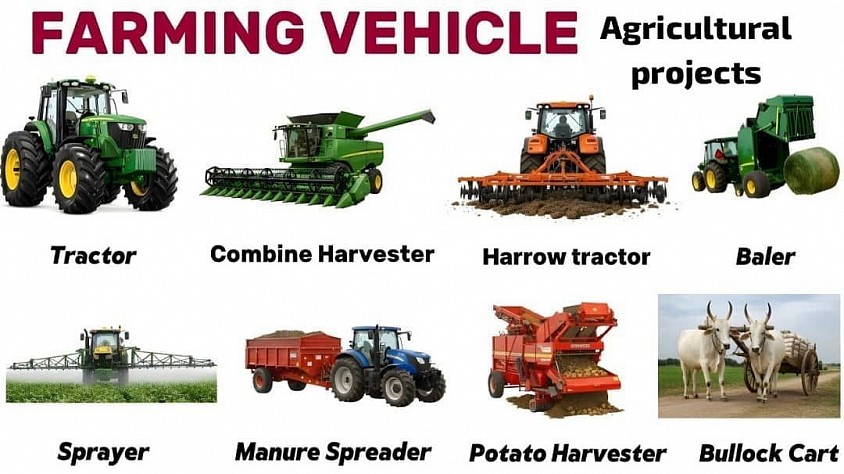
Farming equipment and machineries
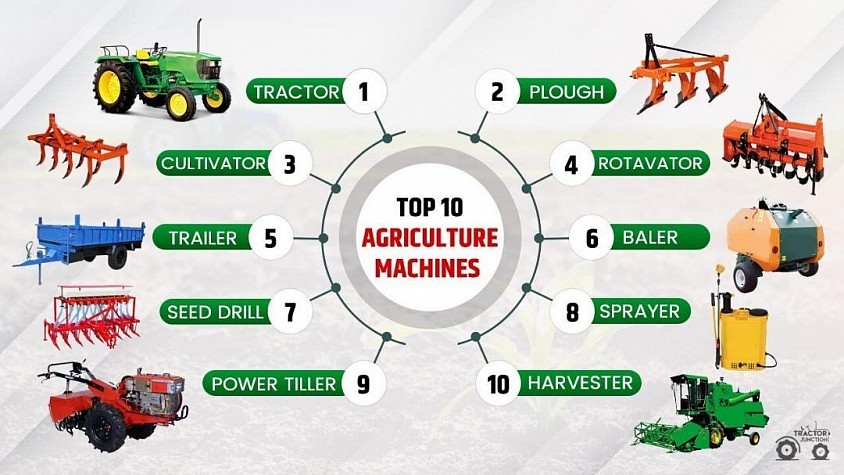
Top ten agricultural machineries
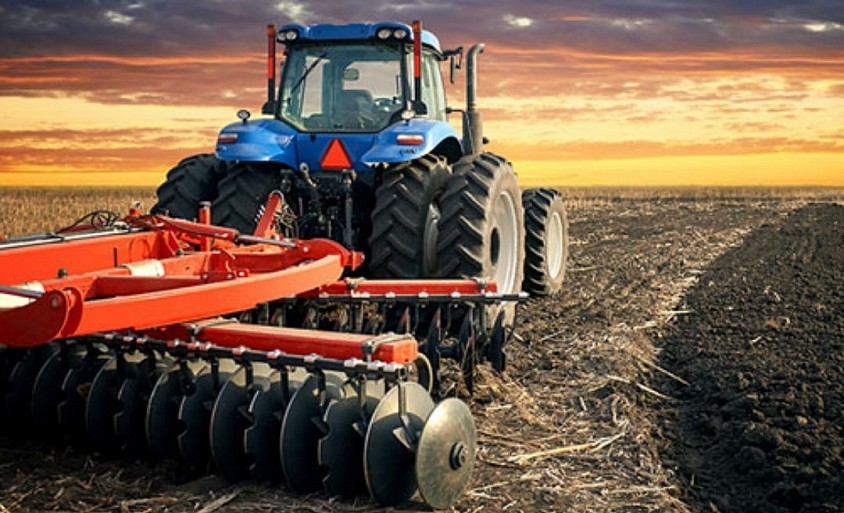
Ploughing machine
Using Farming projects to create more jobs for the homeless people and the unemployed people nationwide.
On-the-job training in agriculture provides individuals experiencing homelessness with transitional employment, tangible job skills, and a supportive community to help them regain self-sufficiency.
How Agricultural Training Programs Work
- Hands-on Farming: Trainees learn organic crop cultivation, planting, harvesting, soil science, and water conservation.
- Value-Added Enterprises: Participants learn secondary skills like floral design, craft-making, and retail sales using farm-grown products.
- Support Services: Programs often combine farm labor with weekly classes covering resume writing, financial literacy, mental health support, and nutrition education.
- Safe Environment: Urban farms serve as secure, stigma-free spaces that build social confidence, teamwork, and a structured daily routine.
King of Kings Ministry will expand Notable Projects Nationwide.
- Homeless Garden Project: A prominent initiative in Santa Cruz, California, offering transitional employment, paid training on a 3-acre organic farm, and comprehensive support to transition individuals into stable housing and independent work.
- Agricultural Reintegration Initiatives: The use of sustainable farming and agribusiness setups to transition vulnerable or homeless youth into independent livelihoods.
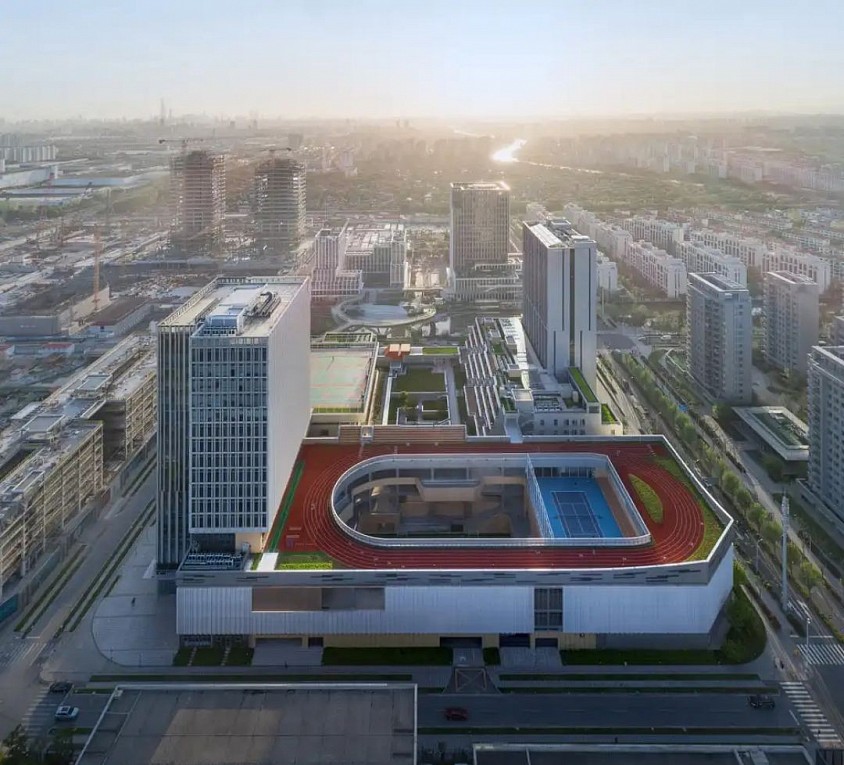
Modern Educational Complex
Educational projects
Building schools and vocational centers for people experiencing homelessness provides a critical pathway to permanent stability and income.
Key Strategies for Success
- Integrated Support: Combine physical housing or shelter access with on-site education so students do not have to choose between a bed and classes.
- Practical Market Skills: Focus training on high-demand local trades such as construction, carpentry, welding, electrical work, and tailoring.
- Basic Literacy and Numeracy: Include foundational reading and math education alongside trade skills to build student confidence.
- Entrepreneurship and Starter Tools: Provide graduates with basic business training and toolkits so they can immediately generate income.
- Employer Partnerships: Partner with local commercial enterprises to secure internships, apprenticeships, and job placements for graduates.
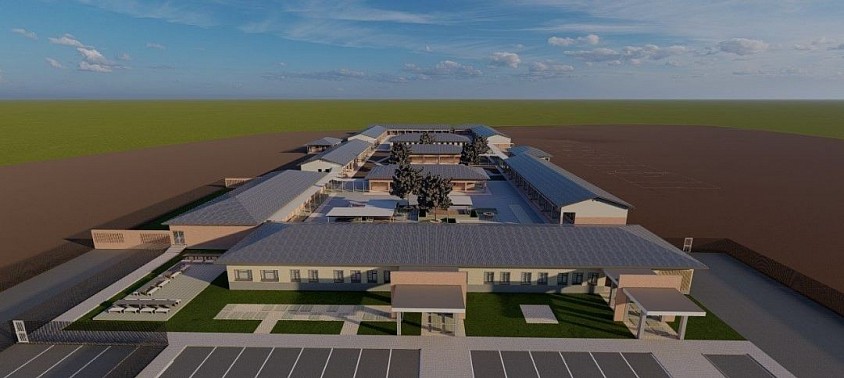
Low-cost building designed for vocational training center
Vocational Training Centers & Programs
Vocational training centers in the United State commonly known as trade or technical schools must meet strict state, federal, and accrediting standards to legally operate and offer recognized credentials.
Core Standards and Requirements
- State Authorization: Every vocational school must be legally authorized and approved by a state education agency or department to grant certificates, diplomas, or associate degrees.
- National or State Accreditation: Institutions must earn accreditation from an agency recognized by the U.S. Department of Education to ensure educational quality and qualify students for federal financial aid.
- Curriculum and Industry Alignment: Programs must follow occupational standards mapped to frameworks like the National Career Clusters, often incorporating state professional board requirements (especially for licensed fields like cosmetology or healthcare).
- Facilities and Equipment: Centers must provide industry-grade tools, commercial labs, and safe physical infrastructure suited for hands-on technical instruction.
- Faculty Qualifications: Instructors are required to hold verified, real-world work experience and appropriate professional certifications in the specific trade they teach.
Projects For Mental Health Centers is to be established nationwide.
King of Kings Ministry is raising funds to also support the expansion of nationwide mental health infrastructure in the United States.
Mental Health Centers heavily on the ongoing rollout of Certified Community Behavioral Health Clinics (CCBHCs) and state-level capital investments scheduled through 2027 and beyond.
The CCBHC Nationwide Model
- Core Purpose: CCBHCs are federally certified clinics designed to provide a comprehensive range of mental health and substance use services regardless of a patient's diagnosis or ability to pay.
- Required Services: Every designated clinic must provide 24/7 crisis intervention (including mobile crisis teams), outpatient mental health and substance use treatments, emergency screening, peer support, and integrated primary care monitoring.
- Scale and Growth: Supported by the Substance Abuse and Mental Health Services Administration (SAMHSA) and expanding state Medicaid models, hundreds of new clinics continue to open nationwide to close gaps in the care continuum. You can look up active locations using the National Council CCBHC Locator.
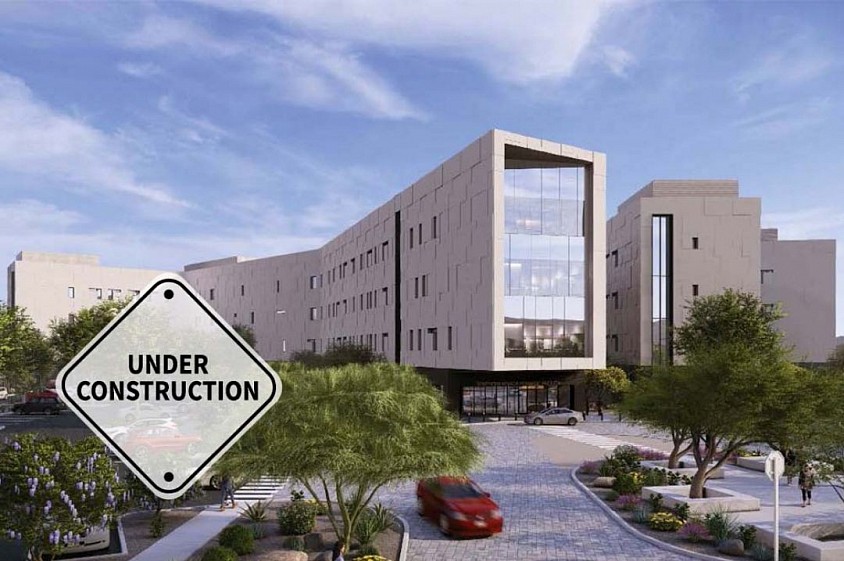
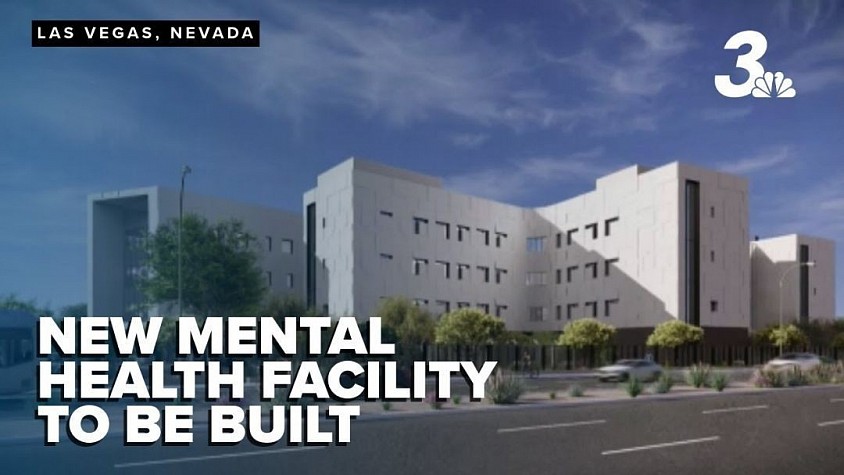
Mental Health Center, Las Vegas
Under construction
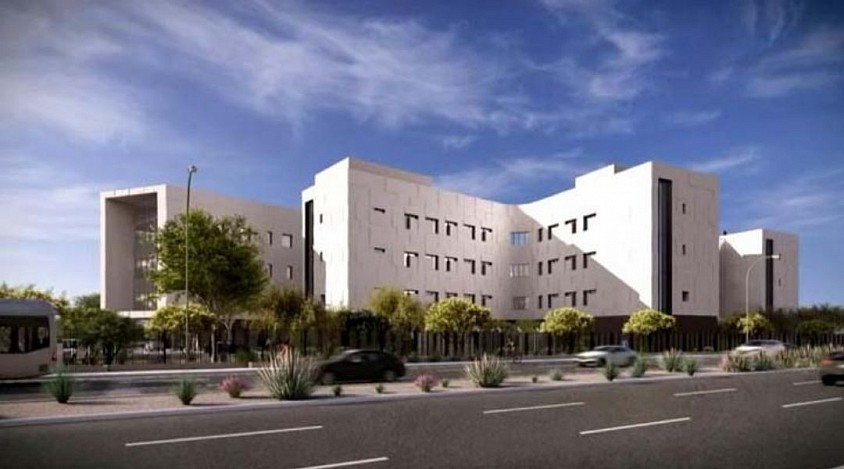
Mental Health Center under construction, on the streets of Nevada

2027 Mental Health Project, under construction
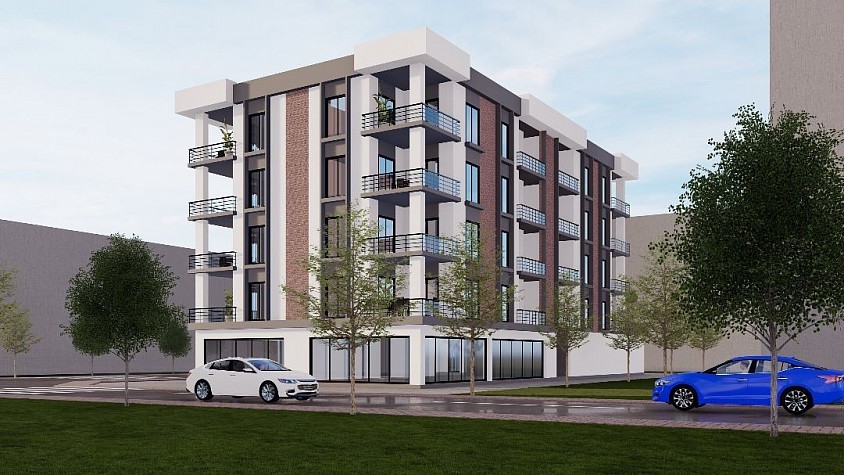
Affordable Housing Development
Low-Cost Housing Projects Nationwide
Roughly 745,652 people experienced homelessness across the United States on a single night in January 2025, according to the Department of Housing and Urban Development point-in-time report.
The question is how many housing units can contain 745,652 people in United States.
To house 745,652 people in the United States, we would need approximately 297,073 housing units, assuming the average U.S. household size of 2.51 people per unit.
Breakdown by Household Size.
- Average households (2.51 people per unit): ~297,073 units are required.
- Single-person occupancy (1 person per unit): 745,652 units are required if every individual lives alone (common for permanent supportive housing models targeting single unhoused adults).
- Family or group settings (3 to 4 people per unit): ~186,413 to 248,551 units would be needed if people are grouped into small families or shared multi-person residences.
(Note: The figure of 745,652 corresponds to the total number of people recorded experiencing homelessness in the U.S. during the U.S. Department of Housing and Urban Development Point-in-Time count).
The cost of building 297,073 housing units in the United States ranges from roughly $44.5 billion to over $127.2 billion, depending heavily on whether the units are multi-family apartments or standalone single-family homes.
The total estimated cost is broken down below by construction type based on national averages: Apartment Units (Multi-Family Developments)If these units are built as part of multi-family complexes, the cost varies by the style of the building:
- Low-Rise (Garden-Style) Apartments: Ranging from $44.5 billion to $89.1 billion (based on an average cost of $150,000 to $300,000 per unit).
- Mid-Rise Apartments: Ranging from $59.4 billion to $118.8 billion (based on an average cost of $200,000 to $400,000 per unit).
- High-Rise Developments: Starting at $104 billion and going upwards of $207.9 billion (based on $350,000 to $700,000+ per unit).
🏡 Single-Family HomesIf these units are built as standalone, detached houses:
- Standard 2,000 sq. ft. Production Homes: Approximately $96 billion (using the national average structure-only build cost of $323,026 per home).
- Average NAHB-Spec Homes (~2,647 sq. ft.): Approximately $127.2 billion (using the National Association of Home Builders average construction benchmark of $428,215 per home, which excludes land).
Key Cost Factors
- Land & Permits: These estimates focus largely on hard construction costs. Buying plots of land, infrastructure hookups, and local permitting can increase totals by 35% to 55%.
- Geography: Building these units in low-cost states like Mississippi or Arkansas averages around $154 per square foot, whereas high-density regions like California or New York easily double that rate.
King of Kings Ministry is modeling this data for the purposes of building Low-cost housing initiative or affordable housing development project, building homeless shelters and regional economic study in United States of America.