
HELPING THE HOMELESS PEOPLE. AMERICA’S HOMELESS TEENAGERS AND MINORS. [EIN]: 93 - 6694996. UBI Number: 605311617. Building homeless shelters and affordable housing projects nationwide.
To Send your donations, please click on the link here https://kkmsupport.simdif.com
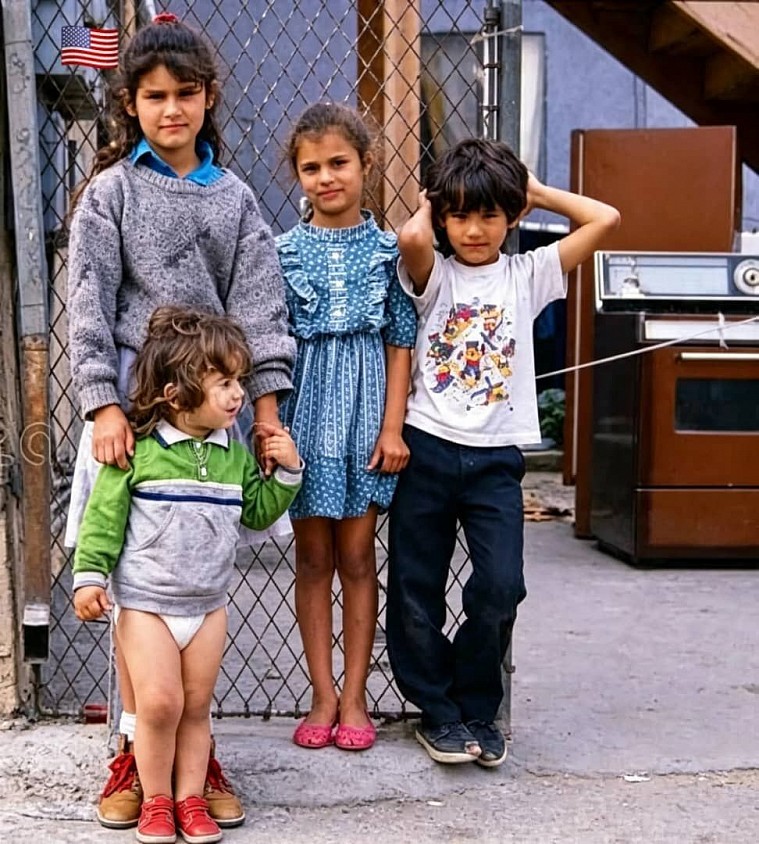
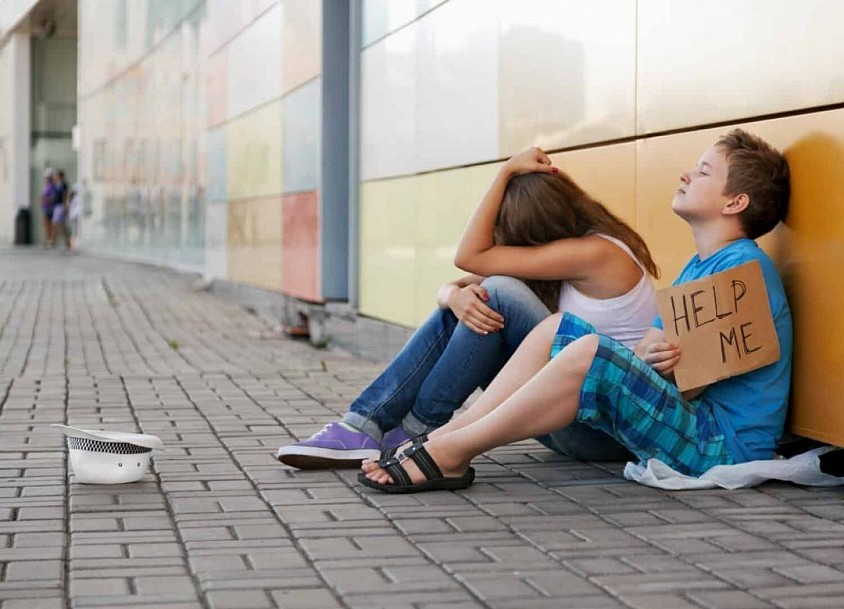
Homeless Kids prevalent in United States
Abandoned children, homeless children on the streets in USA today!
An estimated one million children experience homelessness in the United States each year, with a large majority living "hidden" in motels, cars, or doubled up with other families rather than visibly on the streets.
Understanding the Hidden Crisis in 2026.
- The Scale: Over 1.5 million students were identified as homeless at some point during recent school years.
- Hidden Realities: About 80% of homeless youth do not live in public spaces or traditional shelters; they blend in by staying in cars, motels, or on friends' couches.
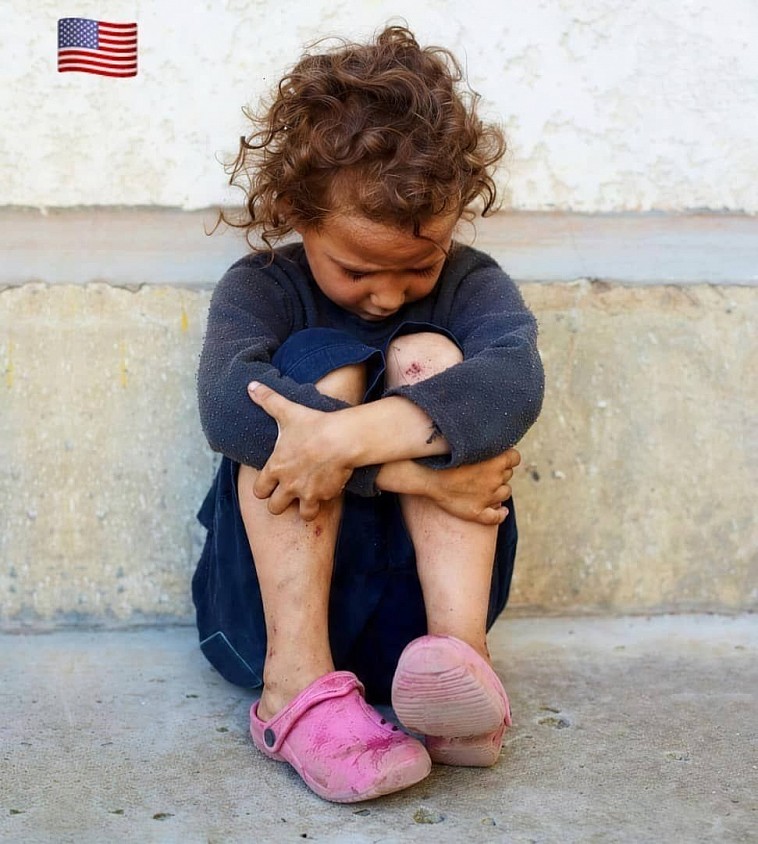
No parental care
Educational and Health Toll
Homelessness heavily disrupts childhood development.
Homelessness is one of the most severe barriers to education for children in the United States. During recent school years, over 1.5 million K-12 students experienced homelessness, drastically disrupting their schooling and fueling a generational cycle of poverty. Without a stable home, these children face immense academic setbacks, with graduation rates dropping roughly 20% lower than their housed peers.
Students experiencing homelessness face higher risks of chronic absenteeism, lower high school graduation rates (around 68%), and increased vulnerability to health issues like asthma.
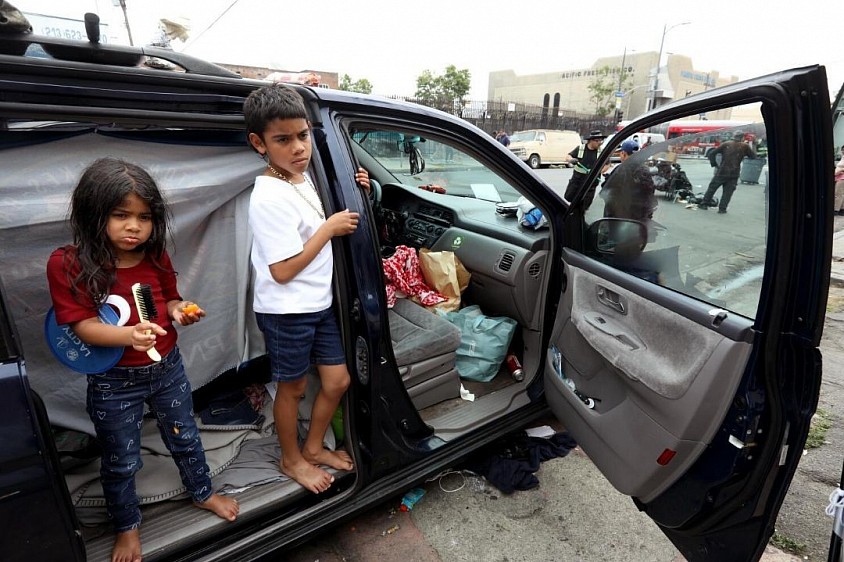
Homeless children sleeping in abandoned cars
Educational Barriers and Impact
• Hidden homelessness: Millions of children sleep in cars, motels, or couch-surf out of sight.
- Chronic absenteeism: Frequent moves and transportation barriers cause students to miss critical school days.
- Academic regression: Homeless children are nine times more likely to repeat a school grade.
- Learning environments: Cramped temporary shelters leave children with no quiet place to study or complete assignments.
- Early education gaps: Toddlers and infants experiencing homelessness are overwhelmingly under-enrolled in early childhood programs.
Is car now a home or a house in America?
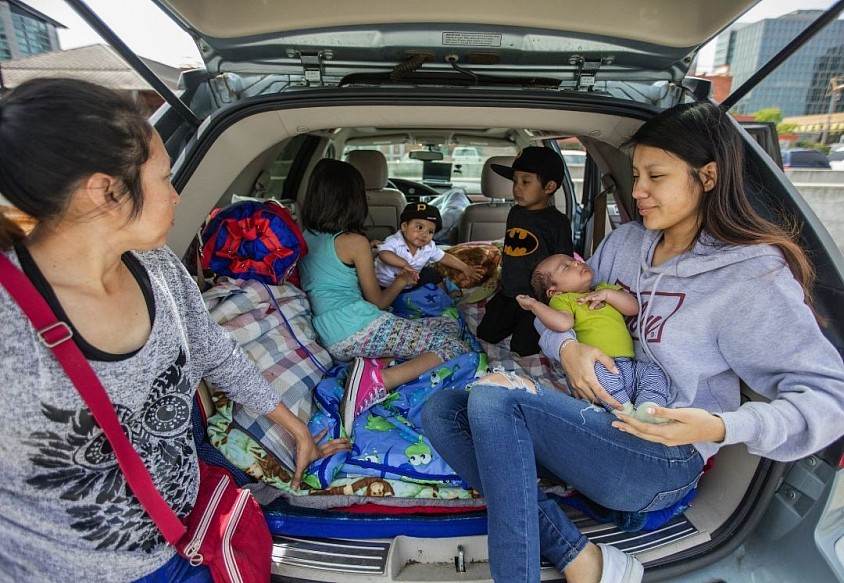
Children sleeping in a car is a challenge
An increasing number of working families and children in the United States are experiencing hidden homelessness and sleeping in cars due to soaring housing costs and a severe shortage of affordable family shelters.
The Reality of Vehicle Homelessness
Working Families: Many parents dealing with vehicle homelessness are employed, sometimes holding multiple jobs, but still cannot afford high security deposits or rising monthly rents.
CHILDREN AND EDUCATION
Childhood homelessness is one of the most severe systemic barriers to education in the United States.
Without a stable place to sleep, a child's right to an education is profoundly compromised across several distinct categories.
Attendance & Stability Barriers.
- Chronic Absenteeism: Nearly 48% of homeless students nationwide miss 10% or more of the school year, a rate significantly higher than low-income students with fixed housing.
- Frequent School Transfers: Unhoused families move constantly due to shelter limits or safety concerns. Changing schools repeatedly disrupts curriculum continuity and social networks.
- Transportation Delays: Living on the streets or in far-flung shelters makes commuting difficult. Students frequently wait weeks for mandatory school bus routing, missing crucial instruction time.
Academic & Cognitive Obstacles
- Poverty of Resources: Sleeping on the street means children lack basic tools like electricity, internet, school supplies, a quiet place to study, and a place to wash their clothes.
- Severe Sleep Deprivation: Surviving in unsafe, loud, or exposed environments leaves children exhausted, severely damaging their classroom focus, memory retention, and behavior.
- Plunging Test Scores: Homeless students hit academic proficiency milestones at roughly half the rate of their securely housed peers.
Physical & Mental Health Strains
- Chronic Health Conditions: Children facing housing instability suffer from asthma, infections, and stomach ailments at drastically higher rates, causing them to miss class frequently.
- Toxic Stress and Trauma: The daily anxiety of survival triggers hyper-vigilance. This trauma causes emotional dysregulation, making it incredibly difficult to build trust or feel safe enough to learn.
- Social Stigma: Many students face bullying, isolation, and deep shame regarding their living situation, which frequently drives them to drop out entirely.
Physical & Mental Health Strains
Let us help vulnerable children through donations to King of Kings Ministry